Travel Tips for Your Next Adventure
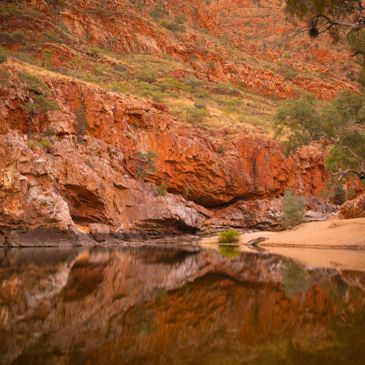
Australia
New Zealand
New Zealand
Entry Requirements for Australia
The majority of travellers entering Australia need to understand the entry requirements for Australia, which primarily involve obtaining an Electronic Travel Authority (ETA). This ETA provides authorization for travel and entry into Australia for a valid period of up to 12 months. To enter Australia, trav
Entry Requirements for Australia
The majority of travellers entering Australia need to understand the entry requirements for Australia, which primarily involve obtaining an Electronic Travel Authority (ETA). This ETA provides authorization for travel and entry into Australia for a valid period of up to 12 months. To enter Australia, travellers must possess a valid passport and valid visa at both the time of boarding the flight and upon arrival. For more details, visit the official websites:
[Electronic Travel Authority - ETA](https://immi.homeaffairs.gov.au/visas/getting-a-visa/visa-listing/electronic-travel-authority-601) and [Australia Travel Guide](https://www.australia.gov.au/travelling-to-australia). You can conveniently apply for an Australian ETA online or via the AppStore by searching for the official app icon.
Business Hours
General retail trading hours in Australia run from Monday to Friday, from 9:00 am to 5:00 pm. On Saturdays, hours typically extend from 9:00 am to 12:00 noon or until 5:00 pm. Sunday shopping is available in most city centres and suburban malls. For finer details on local hours, it’s advisable to consult your Hotel Concierge.
Currency
The Australian dollar is the currency used in Australia, divided into 100 cents, with coins available in denominations of 5c, 10c, 20c, 50c, $1, and $2, while notes consist of $5, $10, $20, $50, and $100. Due to the discontinuation of 1c and 2c coins, purchases are subject to a rounding system, where amounts may be rounded up or down, typically following the ‘Swedish Rounding System’ where prices ending in 1 to 4 cents round down, while prices ending in 6 to 9 cents round up.
Banking/Travellers' Cheques
Banks operate Monday through Friday, excluding public holidays, from 9:30 am to 4:30 pm. Automatic teller machines are available for withdrawals 24/7, utilizing a card/PIN system. EFTPOS (Electronic Funds Transfer at Point of Sale) is widely used, and all major international credit cards, including American Express, Diners, VISA, and MasterCard, are accepted. Travellers' cheques can be cashed at banks and hotels.
Goods & Services Tax (GST)
Goods and services are subject to a tax of 10%, which is often included in the advertised pricing.
Tipping Guidelines in Australia
When considering tipping guidelines in Australia, it’s essential to note that tipping is not customary and is usually reserved as a genuine thank you for exceptional service. Although tipping is appreciated in the restaurant and tourism transport industries, it is not obligatory. Here are some tips for good service:
- In restaurants, a tip of around 10% is typical for good service, with 15% for outstanding service.
- For luggage porters, a tip of AU$2.00 per piece is standard.
- Coach drivers and tour guides generally receive AU$5.00 per person, per day for tours (not for transfers), although tips should reflect the quality of service received.
- Private drivers should only be tipped for exceptional service, typically between AU$10-20 total. This also applies to touring with a Driver/Guide, where excellent service may warrant tips ranging from AU$40-100.
- For small group tours, tips should also reflect excellent service, around AU$20 per person.
Electricity Supply
Australia's standard electricity supply is 220/240 volts, and the country uses 3-pin plugs. Adaptors can be used, but they will not convert the voltage. Most leading hotels offer universal outlets suitable for 240v or 110v shavers.
Emergencies
In case of an emergency, dial 000 for police, fire, or ambulance services.
Telephone Local Area Codes
Australia employs 8-digit local phone numbers, preceded by a 2-digit STD area code. Below are the area codes:
- 02 Central East Region (NSW) New South Wales, (ACT) Australian Capital Territory
- 03 South East Region (VIC) Victoria, and (TAS) Tasmania
- 04 Mobile Telephones Australia-wide
- 07 North East Region (QLD) Queensland
- 08 Central and West Region (WA) Western Australia, (SA) South Australia, and (NT) Northern Territory
For instance, to call Canberra from another state, first dial the STD area code 02, followed by the local number.
Health Services
Health services in both public and private facilities maintain a high standard of care. Many larger hotels have a local doctor available for emergencies. If not, doctors and medical services can typically be found in the local telephone directory.
Pharmaceuticals and Medicines
Pharmaceuticals are accessible through pharmacies during regular shopping hours. Most cities also feature urgent dispensaries open outside normal hours, and hotel concierges can provide information on these facilities. Chemists also stock cosmetics, insect repellent, and sun protection products.
Climate
Australia experiences four distinct seasons in its southern regions, which are opposite to those in the northern hemisphere. During winter in Europe and North America, Australia enjoys summer. Snow is rare, except in higher mountainous areas of eastern Victoria and southern New South Wales. The northern regions are tropical, characterized by a dry and wet season, with consistently high temperatures year-round. The central part of Australia has a desert climate, featuring hot days and cool nights, which can become quite cold in winter.
Sun Protection
Given Australia's elevated levels of ultraviolet radiation, wearing sun protection, such as sunglasses and/or a sun hat, is highly recommended. Applying sunblock (SPF 50+) is also crucial, even on overcast days.
Water Supply
Tap water in Australian cities is safe to drink, as it is chlorinated and fluoridated. However, water sourced from rivers and lakes should be boiled or treated before consumption.
Time Differences, Time Zones, and Daylight Saving
Australia’s East Coast is 10 hours ahead of GMT (Greenwich Mean Time) from April to September (Standard Time). Spanning approximately 7.7 million square kilometres and being the world's sixth largest country, Australia comprises three distinct time zones during Standard Time:
- Australian Eastern Standard Time (AEST): Covers eastern states including Queensland, New South Wales (excluding Broken Hill), Victoria, Tasmania, and the Australian Capital Territory (UTC +10).
- Australian Central Standard Time (ACST): Involves South Australia, Broken Hill in NSW, and the Northern Territory (UTC +9.5).
- Australian Western Standard Time (AWST): Encompasses Western Australia (UTC +8).
Daylight Saving Time (DST) is observed in New South Wales, Victoria, South Australia, Tasmania, and the Australian Capital Territory. DST begins at 2:00 am on the first Sunday in October, when clocks are set forward by one hour, and ends at 2:00 am on the first Sunday in April, when the time reverts back one hour. Note that DST is not observed in Queensland, the Northern Territory, or Western Australia.
If you are also considering New Zealand travel tips or looking into traveling to Fiji, ensure you reference the respective entry requirements as well.
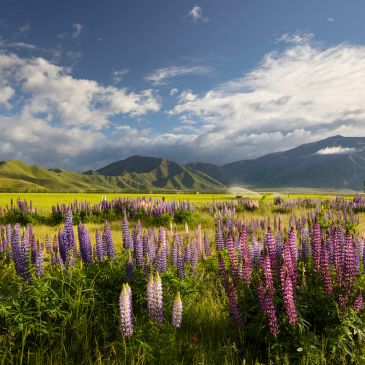
New Zealand
New Zealand
New Zealand
To enter New Zealand, your passport must be valid for three months beyond your planned date of departure from the country. It's advisable to complete the Electronic Travel Authority process about a month before you travel. Additionally, everyone must fill out a New Zealand Traveler Declaration, which can begin at any time that suits you,
To enter New Zealand, your passport must be valid for three months beyond your planned date of departure from the country. It's advisable to complete the Electronic Travel Authority process about a month before you travel. Additionally, everyone must fill out a New Zealand Traveler Declaration, which can begin at any time that suits you, but the earliest you can submit it is 24 hours before your trip. This declaration is free, so avoid any website that charges a fee. When considering entry requirements for Australia, keep in mind that they may differ from those in New Zealand.
**Climate**
New Zealand's climate is multifaceted, ranging from warm subtropical conditions in the far north to cool temperate climates in the southern regions. You might even experience “four seasons in one day.” As New Zealand is located in the Southern Hemisphere, its seasons are opposite to those in the northern hemisphere. The warmest months are January and February (summer: Dec-Mar), with July being the coldest month in winter (Jun-Aug). In summer, temperatures typically range between 20-30ºC (70-90°F) while winter temperatures hover around 10-15ºC (50-60°F).
**New Zealand Time Zones**
New Zealand is among the first places in the world to welcome the new day, being 12 hours ahead of GMT (Greenwich Mean Time). During summer, New Zealand observes Daylight Saving, moving the clocks forward one hour to GMT +13. Daylight saving begins on the last Sunday in September and wraps up on the first Sunday of April, when clocks revert to GMT +12.
**Clothing Requirements/Dress Code**
While in New Zealand, it's crucial to pack clothing suitable for varying weather conditions—sunshine, rain, hail, and even snow. Layering is recommended, as chilly mornings can turn into warm, sunny days. Thermal clothing and a water/windproof jacket are advised. The dress code tends to be informal and relaxed, with smart casual attire acceptable in most restaurants and bars. In some of the top formal venues in major cities and luxury lodges, men might be expected to wear suits and ties.
**Recommended clothing items**:
- (November - March) Swimming gear, sun hat, sunglasses, light cotton garments, shorts and skirts, effective sunscreen (SPF 30+), and sandals or flip-flops.
- (April - October) Warm woollen clothes, rain jackets, warm gloves, hats and scarves, long pants, and thermal undergarments.
- **Footwear**: Sturdy walking shoes and neat dress shoes.
**Weather**
New Zealand's weather is known for its extremes and unpredictability. Prepare for sudden weather shifts, especially if you're hiking or engaging in outdoor activities.
**Sun Protection**
Owing to New Zealand's high ultraviolet radiation levels, wearing sun protection is vital. Sunglasses, sun hats, and sunscreen (SPF 30+) are essential—even on overcast days.
**Currency**
The currency in New Zealand is the dollar (NZ$), which is divided into 100 cents. Available denominations include coins of 10c, 20c, 50c, $1, $2, and notes of $5, $10, $20, $50, and $100. With the discontinuation of 1c, 2c, and 5c coins, purchases in New Zealand usually entail some rounding, either up or down.
**Goods and Services Tax (GST)**
The Goods and Services Tax stands at 15% and is typically included in the displayed price. Visitors cannot reclaim GST when departing from New Zealand, but if a supplier ships a major purchase directly to a visitor's home, the GST is waived.
**Tipping Guidelines/Service Charges and Public Holiday Surcharges**
Tipping in New Zealand is not mandatory but is appreciated as a gesture of thanks for exceptional service. While hotels and restaurants generally do not include service charges, some impose surcharges on public holidays and are required to prominently display this information.
**Tips for good service guidelines**:
- Restaurants: a tip of about 10% is typically expected for good service, with 15% for exceptional service.
- Luggage Porters: NZ$2-3.00 per piece.
- Coach drivers and guides (not for transfers) typically receive around NZ$5.00 per person per day, with tips not given for average or below-average service.
- Private drivers should only be tipped for excellent service (around NZ$10-20 total). The recommended tip for touring with a Driver/Guide is between NZ$40-100, depending on service quality. For small group tours, a tip of around NZ$20 per person is appropriate.
**Banking**
Banks are open Monday through Friday (excluding public holidays), from 9:30 am to 4:30 pm. Some in shopping centers also open on weekends. ATMs operate 24/7, and EFTPOS (Electronic Funds Transfer at Point of Sale) is widely accepted. All major credit cards, especially Visa and MasterCard, are usable in New Zealand.
**Business Hours**
Offices run Monday to Friday, 8:30 am to 5:00 pm, with extended hours for some tourist agencies and airlines. Petrol stations often remain open 24 hours, offering food, toiletries, and newspapers. General shops generally operate from 9:00 am to 5:00 pm, with late-night shopping on Thursdays or Fridays until 9:00 pm. Many supermarkets and larger chains are open on weekends, with some operating 24/7.
**Electricity Supply**
New Zealand operates on AC electricity at 230/240 volts and 50 hertz, using angled two or three pin plugs, similar to Australia. Most accommodations provide 110-volt, 20-watt AC sockets for electric razors; an adapter or converter is necessary for all other equipment unless it has a multi-voltage option.
**Emergencies**
Dial 111 for urgent police, fire, or ambulance services. Use 105 for non-emergency assistance.
**Foreign Currency**
There are no restrictions on foreign currency entering or leaving New Zealand. However, anyone carrying more than NZ$10,000 in cash is required to complete a Border Cash Report. Foreign currency can be exchanged at banks, select hotels, and Bureau de Change kiosks at airports and city centers.
**Health Services and Health Insurance**
New Zealand provides a high standard of medical treatment through its public and private healthcare system. Doctors and medical services can be found in the phone directory. In New Zealand, you cannot sue for compensatory damages from injuries; instead, the Accident Compensation Corporation (ACC) covers treatment and rehabilitation costs within the country. However, ACC does not cover costs related to delayed travel or any treatment required in your home country. Therefore, we strongly recommend arranging your own health insurance.
**Pharmaceuticals and Medicines**
Available at pharmacies during normal hours, urgent dispensaries can be found in most cities after hours. Chemists also sell cosmetics and sun protection. If you plan to bring medications into New Zealand, a Doctor’s Certificate for Customs is recommended, as many over-the-counter drugs available elsewhere may need a prescription here.
**Population**
With a population of around 5 million, New Zealanders (commonly called Kiwis) represent diverse backgrounds: approximately 69% of European descent, 14.6% indigenous Māori, 9.2% Asian, and 6.9% non-Māori Pacific Islanders.
**Postal Services**
Stamps are available at supermarkets, bookstores, and specialized Post Shops. New Zealand offers Standard and Fast Post, with Standard Post typically delivering the next day within town and nationwide within two to three working days.
**Telephones**
Public pay phones have become rare, and a New Zealand SIM card can be purchased from electronics and phone stores like Spark and Vodafone; these are readily available at the airport upon arrival.
**Food and Fuel**
When traveling throughout New Zealand, you'll need to consider food and fuel purchases. Current fuel prices are approximately:
- Diesel: NZ$2.40-2.80 per litre
- 91 Octane: NZ$2.60-3.00 per litre
- 95 Octane: NZ$2.80-3.20 per litre
Fuel prices can vary between regions and petrol stations, changing frequently. Always check with your rental car company for the correct fuel type for your vehicle.
There are plenty of options for meals, including supermarkets, bakeries, and cafes. Quick lunches from bakeries generally cost around NZ$4.50, while a sit-down lunch might be around NZ$18-25 per person. For dinner, options include fast food at approximately NZ$10-15 per person and restaurants costing between NZ$30-50 each. New Zealand also boasts a wide variety of international cuisine, including Thai, Japanese, and fusion options that blend European and Asian flavors, with accommodation made for dietary requirements like vegetarian and gluten-free.
**Vaccinations**
For the latest on Covid-19 vaccination requirements to enter New Zealand, please visit the NZ Covid-19 Government page. No other vaccinations are currently necessary. If you're considering traveling to Fiji afterward, ensure you check their specific entry guidelines.
**Water Supply**
Tap water in New Zealand is safe to drink, as city water is chlorinated and usually fluoridated. It's best to avoid drinking from natural bodies like lakes or rivers without treating it first.
Share how you got hooked on travel.
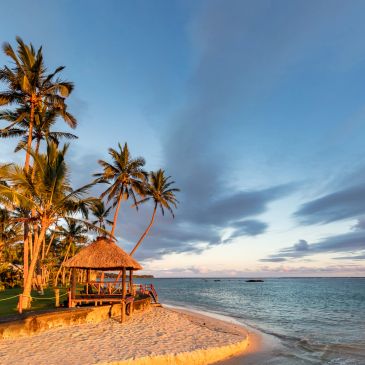
Fiji
New Zealand
Fiji
When traveling to Fiji, it’s important to note the entry requirements for Australia and ensure you have a passport that is valid for at least six months beyond your scheduled departure date from Fiji. As for the best time to go, the ideal time to visit Fiji is whenever you can, as the weather is consistently warm with temperatures general
When traveling to Fiji, it’s important to note the entry requirements for Australia and ensure you have a passport that is valid for at least six months beyond your scheduled departure date from Fiji. As for the best time to go, the ideal time to visit Fiji is whenever you can, as the weather is consistently warm with temperatures generally in the 80s. However, be aware that from November to April, you may encounter some tropical storms. For the Fiji experience you've always dreamed of, aim to travel between July and September, though keep in mind that this period also corresponds with peak season, leading to higher prices. If you're looking for a more tranquil experience, consider the shoulder seasons in May to June and October, which are great times to visit as the crowds will either have just left or have yet to arrive. And if you’re planning a trip to New Zealand afterward, don’t forget to check out New Zealand travel tips and familiarize yourself with tipping guidelines in Australia.

Tahiti
Middle East
Tahiti
Entry Requirements for Australia
The majority of travellers entering Australia need to understand the entry requirements for Australia, which primarily involve obtaining an Electronic Travel Authority (ETA). This ETA provides authorization for travel and entry into Australia for a valid period of up to 12 months. To enter Australia, trav
Entry Requirements for Australia
The majority of travellers entering Australia need to understand the entry requirements for Australia, which primarily involve obtaining an Electronic Travel Authority (ETA). This ETA provides authorization for travel and entry into Australia for a valid period of up to 12 months. To enter Australia, travellers must possess a valid passport and valid visa at both the time of boarding the flight and upon arrival. For more details, visit the official websites:
[Electronic Travel Authority - ETA](https://immi.homeaffairs.gov.au/visas/getting-a-visa/visa-listing/electronic-travel-authority-601) and [Australia Travel Guide](https://www.australia.gov.au/travelling-to-australia). You can conveniently apply for an Australian ETA online or via the AppStore by searching for the official app icon.
Business Hours
General retail trading hours in Australia run from Monday to Friday, from 9:00 am to 5:00 pm. On Saturdays, hours typically extend from 9:00 am to 12:00 noon or until 5:00 pm. Sunday shopping is available in most city centres and suburban malls. For finer details on local hours, it’s advisable to consult your Hotel Concierge.
Currency
The Australian dollar is the currency used in Australia, divided into 100 cents, with coins available in denominations of 5c, 10c, 20c, 50c, $1, and $2, while notes consist of $5, $10, $20, $50, and $100. Due to the discontinuation of 1c and 2c coins, purchases are subject to a rounding system, where amounts may be rounded up or down, typically following the ‘Swedish Rounding System’ where prices ending in 1 to 4 cents round down, while prices ending in 6 to 9 cents round up.
Banking/Travellers' Cheques
Banks operate Monday through Friday, excluding public holidays, from 9:30 am to 4:30 pm. Automatic teller machines are available for withdrawals 24/7, utilizing a card/PIN system. EFTPOS (Electronic Funds Transfer at Point of Sale) is widely used, and all major international credit cards, including American Express, Diners, VISA, and MasterCard, are accepted. Travellers' cheques can be cashed at banks and hotels.
Goods & Services Tax (GST)
Goods and services are subject to a tax of 10%, which is often included in the advertised pricing.
Tipping Guidelines in Australia
When considering tipping guidelines in Australia, it’s essential to note that tipping is not customary and is usually reserved as a genuine thank you for exceptional service. Although tipping is appreciated in the restaurant and tourism transport industries, it is not obligatory. Here are some tips for good service:
- In restaurants, a tip of around 10% is typical for good service, with 15% for outstanding service.
- For luggage porters, a tip of AU$2.00 per piece is standard.
- Coach drivers and tour guides generally receive AU$5.00 per person, per day for tours (not for transfers), although tips should reflect the quality of service received.
- Private drivers should only be tipped for exceptional service, typically between AU$10-20 total. This also applies to touring with a Driver/Guide, where excellent service may warrant tips ranging from AU$40-100.
- For small group tours, tips should also reflect excellent service, around AU$20 per person.
Electricity Supply
Australia's standard electricity supply is 220/240 volts, and the country uses 3-pin plugs. Adaptors can be used, but they will not convert the voltage. Most leading hotels offer universal outlets suitable for 240v or 110v shavers.
Emergencies
In case of an emergency, dial 000 for police, fire, or ambulance services.
Telephone Local Area Codes
Australia employs 8-digit local phone numbers, preceded by a 2-digit STD area code. Below are the area codes:
- 02 Central East Region (NSW) New South Wales, (ACT) Australian Capital Territory
- 03 South East Region (VIC) Victoria, and (TAS) Tasmania
- 04 Mobile Telephones Australia-wide
- 07 North East Region (QLD) Queensland
- 08 Central and West Region (WA) Western Australia, (SA) South Australia, and (NT) Northern Territory
For instance, to call Canberra from another state, first dial the STD area code 02, followed by the local number.
Health Services
Health services in both public and private facilities maintain a high standard of care. Many larger hotels have a local doctor available for emergencies. If not, doctors and medical services can typically be found in the local telephone directory.
Pharmaceuticals and Medicines
Pharmaceuticals are accessible through pharmacies during regular shopping hours. Most cities also feature urgent dispensaries open outside normal hours, and hotel concierges can provide information on these facilities. Chemists also stock cosmetics, insect repellent, and sun protection products.
Climate
Australia experiences four distinct seasons in its southern regions, which are opposite to those in the northern hemisphere. During winter in Europe and North America, Australia enjoys summer. Snow is rare, except in higher mountainous areas of eastern Victoria and southern New South Wales. The northern regions are tropical, characterized by a dry and wet season, with consistently high temperatures year-round. The central part of Australia has a desert climate, featuring hot days and cool nights, which can become quite cold in winter.
Sun Protection
Given Australia's elevated levels of ultraviolet radiation, wearing sun protection, such as sunglasses and/or a sun hat, is highly recommended. Applying sunblock (SPF 50+) is also crucial, even on overcast days.
Water Supply
Tap water in Australian cities is safe to drink, as it is chlorinated and fluoridated. However, water sourced from rivers and lakes should be boiled or treated before consumption.
Time Differences, Time Zones, and Daylight Saving
Australia’s East Coast is 10 hours ahead of GMT (Greenwich Mean Time) from April to September (Standard Time). Spanning approximately 7.7 million square kilometres and being the world's sixth largest country, Australia comprises three distinct time zones during Standard Time:
- Australian Eastern Standard Time (AEST): Covers eastern states including Queensland, New South Wales (excluding Broken Hill), Victoria, Tasmania, and the Australian Capital Territory (UTC +10).
- Australian Central Standard Time (ACST): Involves South Australia, Broken Hill in NSW, and the Northern Territory (UTC +9.5).
- Australian Western Standard Time (AWST): Encompasses Western Australia (UTC +8).
Daylight Saving Time (DST) is observed in New South Wales, Victoria, South Australia, Tasmania, and the Australian Capital Territory. DST begins at 2:00 am on the first Sunday in October, when clocks are set forward by one hour, and ends at 2:00 am on the first Sunday in April, when the time reverts back one hour. Note that DST is not observed in Queensland, the Northern Territory, or Western Australia.
If you are also considering New Zealand travel tips or looking into traveling to Fiji, ensure you reference the respective entry requirements as well.
Africa
Middle East
Tahiti
To enter New Zealand, your passport must be valid for three months beyond your planned date of departure from the country. It's advisable to complete the Electronic Travel Authority process about a month before you travel. Additionally, everyone must fill out a New Zealand Traveler Declaration, which can begin at any time that suits you,
To enter New Zealand, your passport must be valid for three months beyond your planned date of departure from the country. It's advisable to complete the Electronic Travel Authority process about a month before you travel. Additionally, everyone must fill out a New Zealand Traveler Declaration, which can begin at any time that suits you, but the earliest you can submit it is 24 hours before your trip. This declaration is free, so avoid any website that charges a fee. When considering entry requirements for Australia, keep in mind that they may differ from those in New Zealand.
**Climate**
New Zealand's climate is multifaceted, ranging from warm subtropical conditions in the far north to cool temperate climates in the southern regions. You might even experience “four seasons in one day.” As New Zealand is located in the Southern Hemisphere, its seasons are opposite to those in the northern hemisphere. The warmest months are January and February (summer: Dec-Mar), with July being the coldest month in winter (Jun-Aug). In summer, temperatures typically range between 20-30ºC (70-90°F) while winter temperatures hover around 10-15ºC (50-60°F).
**New Zealand Time Zones**
New Zealand is among the first places in the world to welcome the new day, being 12 hours ahead of GMT (Greenwich Mean Time). During summer, New Zealand observes Daylight Saving, moving the clocks forward one hour to GMT +13. Daylight saving begins on the last Sunday in September and wraps up on the first Sunday of April, when clocks revert to GMT +12.
**Clothing Requirements/Dress Code**
While in New Zealand, it's crucial to pack clothing suitable for varying weather conditions—sunshine, rain, hail, and even snow. Layering is recommended, as chilly mornings can turn into warm, sunny days. Thermal clothing and a water/windproof jacket are advised. The dress code tends to be informal and relaxed, with smart casual attire acceptable in most restaurants and bars. In some of the top formal venues in major cities and luxury lodges, men might be expected to wear suits and ties.
**Recommended clothing items**:
- (November - March) Swimming gear, sun hat, sunglasses, light cotton garments, shorts and skirts, effective sunscreen (SPF 30+), and sandals or flip-flops.
- (April - October) Warm woollen clothes, rain jackets, warm gloves, hats and scarves, long pants, and thermal undergarments.
- **Footwear**: Sturdy walking shoes and neat dress shoes.
**Weather**
New Zealand's weather is known for its extremes and unpredictability. Prepare for sudden weather shifts, especially if you're hiking or engaging in outdoor activities.
**Sun Protection**
Owing to New Zealand's high ultraviolet radiation levels, wearing sun protection is vital. Sunglasses, sun hats, and sunscreen (SPF 30+) are essential—even on overcast days.
**Currency**
The currency in New Zealand is the dollar (NZ$), which is divided into 100 cents. Available denominations include coins of 10c, 20c, 50c, $1, $2, and notes of $5, $10, $20, $50, and $100. With the discontinuation of 1c, 2c, and 5c coins, purchases in New Zealand usually entail some rounding, either up or down.
**Goods and Services Tax (GST)**
The Goods and Services Tax stands at 15% and is typically included in the displayed price. Visitors cannot reclaim GST when departing from New Zealand, but if a supplier ships a major purchase directly to a visitor's home, the GST is waived.
**Tipping Guidelines/Service Charges and Public Holiday Surcharges**
Tipping in New Zealand is not mandatory but is appreciated as a gesture of thanks for exceptional service. While hotels and restaurants generally do not include service charges, some impose surcharges on public holidays and are required to prominently display this information.
**Tips for good service guidelines**:
- Restaurants: a tip of about 10% is typically expected for good service, with 15% for exceptional service.
- Luggage Porters: NZ$2-3.00 per piece.
- Coach drivers and guides (not for transfers) typically receive around NZ$5.00 per person per day, with tips not given for average or below-average service.
- Private drivers should only be tipped for excellent service (around NZ$10-20 total). The recommended tip for touring with a Driver/Guide is between NZ$40-100, depending on service quality. For small group tours, a tip of around NZ$20 per person is appropriate.
**Banking**
Banks are open Monday through Friday (excluding public holidays), from 9:30 am to 4:30 pm. Some in shopping centers also open on weekends. ATMs operate 24/7, and EFTPOS (Electronic Funds Transfer at Point of Sale) is widely accepted. All major credit cards, especially Visa and MasterCard, are usable in New Zealand.
**Business Hours**
Offices run Monday to Friday, 8:30 am to 5:00 pm, with extended hours for some tourist agencies and airlines. Petrol stations often remain open 24 hours, offering food, toiletries, and newspapers. General shops generally operate from 9:00 am to 5:00 pm, with late-night shopping on Thursdays or Fridays until 9:00 pm. Many supermarkets and larger chains are open on weekends, with some operating 24/7.
**Electricity Supply**
New Zealand operates on AC electricity at 230/240 volts and 50 hertz, using angled two or three pin plugs, similar to Australia. Most accommodations provide 110-volt, 20-watt AC sockets for electric razors; an adapter or converter is necessary for all other equipment unless it has a multi-voltage option.
**Emergencies**
Dial 111 for urgent police, fire, or ambulance services. Use 105 for non-emergency assistance.
**Foreign Currency**
There are no restrictions on foreign currency entering or leaving New Zealand. However, anyone carrying more than NZ$10,000 in cash is required to complete a Border Cash Report. Foreign currency can be exchanged at banks, select hotels, and Bureau de Change kiosks at airports and city centers.
**Health Services and Health Insurance**
New Zealand provides a high standard of medical treatment through its public and private healthcare system. Doctors and medical services can be found in the phone directory. In New Zealand, you cannot sue for compensatory damages from injuries; instead, the Accident Compensation Corporation (ACC) covers treatment and rehabilitation costs within the country. However, ACC does not cover costs related to delayed travel or any treatment required in your home country. Therefore, we strongly recommend arranging your own health insurance.
**Pharmaceuticals and Medicines**
Available at pharmacies during normal hours, urgent dispensaries can be found in most cities after hours. Chemists also sell cosmetics and sun protection. If you plan to bring medications into New Zealand, a Doctor’s Certificate for Customs is recommended, as many over-the-counter drugs available elsewhere may need a prescription here.
**Population**
With a population of around 5 million, New Zealanders (commonly called Kiwis) represent diverse backgrounds: approximately 69% of European descent, 14.6% indigenous Māori, 9.2% Asian, and 6.9% non-Māori Pacific Islanders.
**Postal Services**
Stamps are available at supermarkets, bookstores, and specialized Post Shops. New Zealand offers Standard and Fast Post, with Standard Post typically delivering the next day within town and nationwide within two to three working days.
**Telephones**
Public pay phones have become rare, and a New Zealand SIM card can be purchased from electronics and phone stores like Spark and Vodafone; these are readily available at the airport upon arrival.
**Food and Fuel**
When traveling throughout New Zealand, you'll need to consider food and fuel purchases. Current fuel prices are approximately:
- Diesel: NZ$2.40-2.80 per litre
- 91 Octane: NZ$2.60-3.00 per litre
- 95 Octane: NZ$2.80-3.20 per litre
Fuel prices can vary between regions and petrol stations, changing frequently. Always check with your rental car company for the correct fuel type for your vehicle.
There are plenty of options for meals, including supermarkets, bakeries, and cafes. Quick lunches from bakeries generally cost around NZ$4.50, while a sit-down lunch might be around NZ$18-25 per person. For dinner, options include fast food at approximately NZ$10-15 per person and restaurants costing between NZ$30-50 each. New Zealand also boasts a wide variety of international cuisine, including Thai, Japanese, and fusion options that blend European and Asian flavors, with accommodation made for dietary requirements like vegetarian and gluten-free.
**Vaccinations**
For the latest on Covid-19 vaccination requirements to enter New Zealand, please visit the NZ Covid-19 Government page. No other vaccinations are currently necessary. If you're considering traveling to Fiji afterward, ensure you check their specific entry guidelines.
**Water Supply**
Tap water in New Zealand is safe to drink, as city water is chlorinated and usually fluoridated. It's best to avoid drinking from natural bodies like lakes or rivers without treating it first.
Share how you got hooked on travel.
Middle East
Middle East
Middle East
When traveling to Fiji, it’s important to note the entry requirements for Australia and ensure you have a passport that is valid for at least six months beyond your scheduled departure date from Fiji. As for the best time to go, the ideal time to visit Fiji is whenever you can, as the weather is consistently warm with temperatures general
When traveling to Fiji, it’s important to note the entry requirements for Australia and ensure you have a passport that is valid for at least six months beyond your scheduled departure date from Fiji. As for the best time to go, the ideal time to visit Fiji is whenever you can, as the weather is consistently warm with temperatures generally in the 80s. However, be aware that from November to April, you may encounter some tropical storms. For the Fiji experience you've always dreamed of, aim to travel between July and September, though keep in mind that this period also corresponds with peak season, leading to higher prices. If you're looking for a more tranquil experience, consider the shoulder seasons in May to June and October, which are great times to visit as the crowds will either have just left or have yet to arrive. And if you’re planning a trip to New Zealand afterward, don’t forget to check out New Zealand travel tips and familiarize yourself with tipping guidelines in Australia.